Hawkmen Enterprises
Self-Storage Capital Advisory

Financing strategy for self-storage acquisitions, expansions and refinances.

Hawkmen Enterprises helps self-storage buyers, owners and investors evaluate the transaction, prepare the file, improve capital readiness and pursue financing with capital sources whose programs may align with the property and borrower.

AcquisitionRefinanceValue-addExpansionStabilization
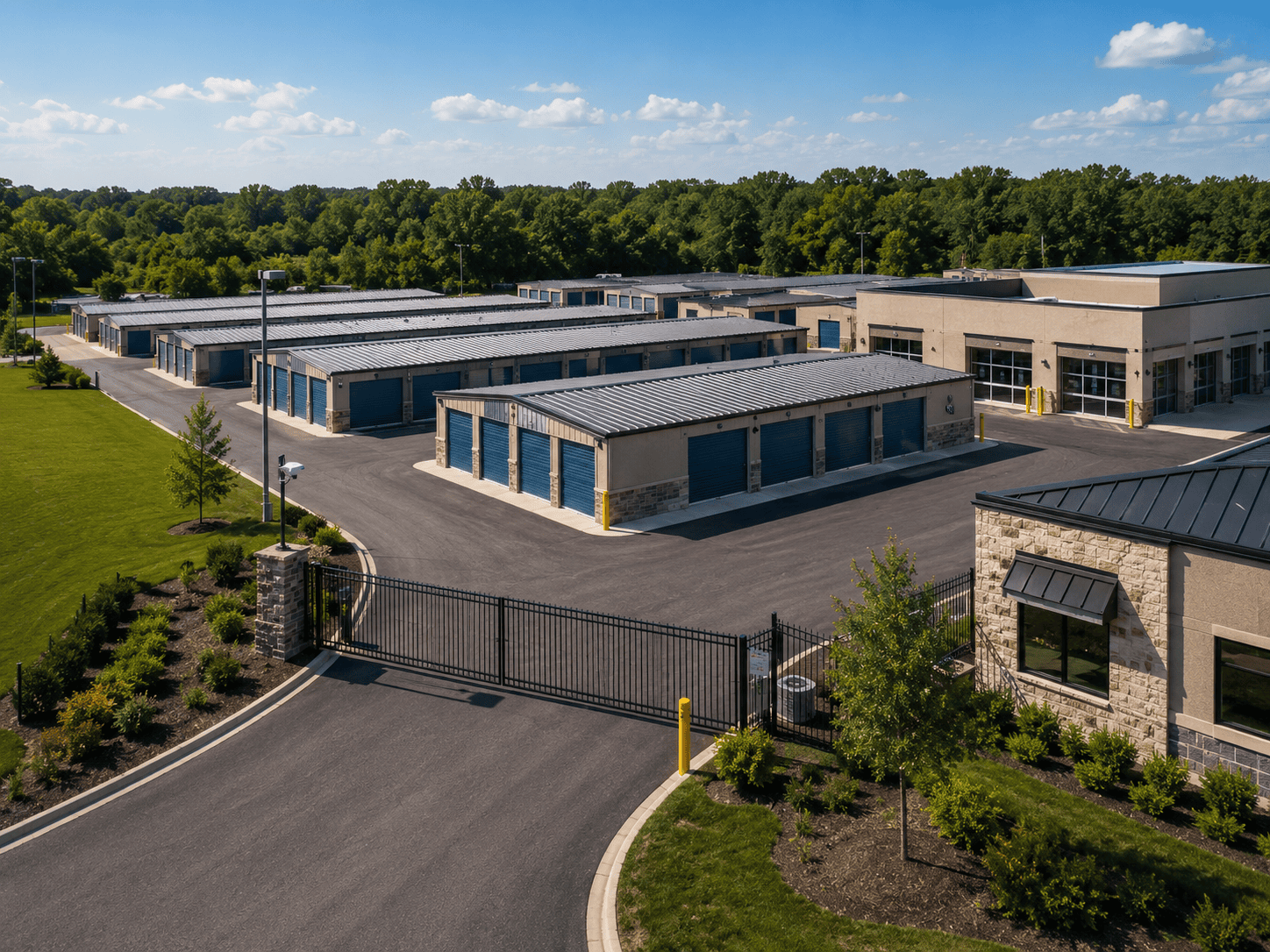
Professionally operated self-storage facility with clean drive aisles, secure access and varied unit sizes
Self-storage financing depends on occupancy quality, rent performance, market supply and operational discipline.
Transaction paths

Common self-storage financing scenarios

Self-storage transactions may involve stabilized facilities, under-managed assets, expansion land, adaptive reuse, climate-controlled space or properties still in lease-up. Each scenario requires a different underwriting narrative.

01

Facility acquisition

Financing for the purchase of an operating self-storage facility based on historical performance, current operations, borrower strength and the proposed ownership plan.

02

Expansion or improvements

Capital for additional buildings, climate-controlled units, covered parking, security upgrades, operational cleanup or other changes intended to strengthen income.

03

Refinance

Replacing existing debt, restructuring obligations, accessing equity or pursuing improved terms after stronger operating results.

04

Expansion

Financing adaptive reuse, recently completed facilities or under-occupied properties where absorption, marketing and operating execution remain central to the credit story.

Underwriting priorities

What capital providers may evaluate

Self-storage underwriting combines property-level cash flow, tenant behavior, facility operations, market supply and borrower capacity.

Revenue quality

  • Historical rental and ancillary income
  • Monthly collections and delinquency trends
  • Street rates versus in-place rents
  • Ancillary income and fees

Occupancy quality

  • Physical occupancy by unit type
  • Economic occupancy after discounts
  • Move-ins, move-outs and churn
  • Delinquency and auction activity

Infrastructure

  • Roofs, drainage, gates and electrical systems
  • Climate-controlled versus non-climate units
  • Drive aisles, access, surveillance and unit condition
  • Deferred maintenance

Borrower strength

  • Liquidity and reserves
  • Relevant storage or commercial property experience
  • Credit and global obligations
  • Equity contribution
Self-storage operator reviewing occupancy, unit mix, collections and facility reports in a professional office
Capital providers may compare property condition, operating history and borrower capacity.
Self-storage metrics

The operating story behind the numbers

No single ratio determines whether a transaction will receive financing. Capital providers generally review how multiple factors work together.

Revenue by month

Monthly performance can reveal collection consistency, delinquency, tenant churn and changes in effective occupancy.

Revenue per available square foot

Unit mix, rent levels, occupancy and ancillary income influence facility performance.

Debt-service coverage

Cash flow must support proposed debt after adjustments for expenses, management and reserves.

Expense ratio

Payroll, utilities, insurance, taxes, repairs, security, marketing and management affect sustainable net operating income.

Capital readiness

Strong revenue does not automatically create a lender-ready file.

Missing financial statements, below-market rents, heavy discounting or incomplete management reports, unsupported projections, weak liquidity or an incomplete management plan can delay financing.

Start with an early review

The 60-Second Funding Snapshot helps identify the next logical step before a complete submission.

Document readiness

Prepare the RV park financing file

Documentation requirements vary by capital source and transaction.

Organized self-storage financing documents, rent roll, unit mix, site plan and financial statements on a conference table
A complete financing file reduces avoidable underwriting delays.
  • Current rent roll by unit size and type
  • Trailing 12-month operating statement
  • Historical financials when available
  • Physical and economic occupancy reports
  • Current street rates, in-place rents and discount data
  • Facility site plan, unit mix and square-footage summary
  • Purchase contract or loan statement
  • Expansion, repair or conversion budget
  • Borrower financial information
  • Management experience and plan
Common friction points

Why RV park financing requests encounter difficulty

Economic occupancy trails physical occupancy

Discounts, delinquency, unpaid units and concessions can create a gap between occupied units and collected income.

Unsupported projections

Projected rent growth requires credible evidence from competing facilities, tenant behavior and local supply-demand conditions.

Infrastructure uncertainty

Recently delivered or planned facilities can affect absorption, pricing power, lease-up speed and long-term occupancy assumptions.

Lease-up uncertainty

Newly built, expanded or converted facilities may require realistic absorption, marketing, reserve and stabilization assumptions.

Limited experience

A buyer without storage or commercial-property experience may need a stronger management plan or experienced operator.

Insufficient liquidity

Closing costs, repairs, working capital and reserves may require documented funds.

Hawkmen process

From transaction review to capital strategy

Hawkmen does not make credit decisions. We help improve the financing presentation and pursue appropriate capital relationships.

01

Review

We examine the property, borrower, operating history, financing request and documents.

02

Identify

We identify missing information, likely concerns and material strengths.

03

Position

We help organize the financing narrative and transaction structure.

04

Pursue

We pursue capital relationships whose programs may align with the complete transaction.
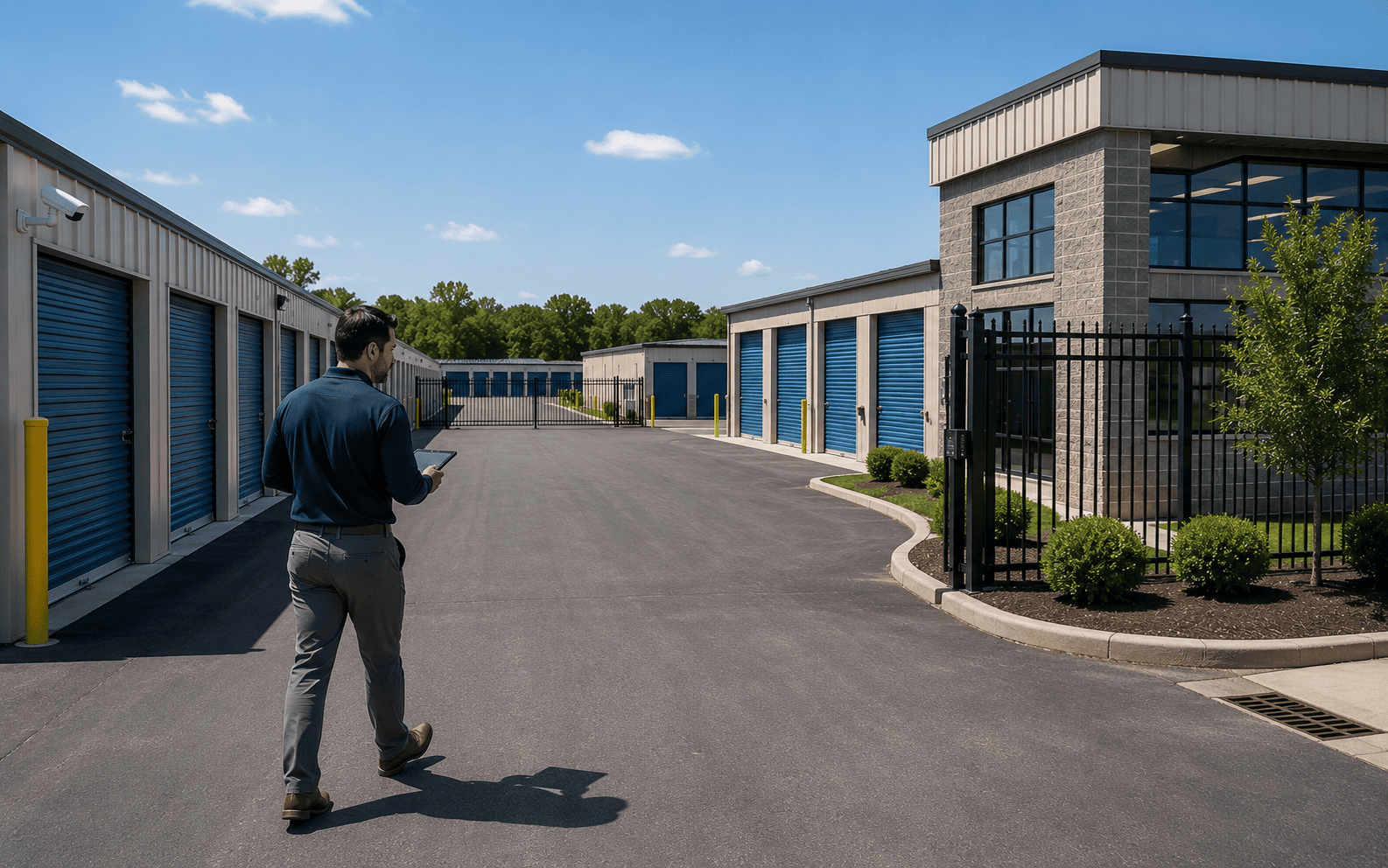
Professional investor walking through a clean self-storage facility while evaluating buildings, security and expansion potential
Opportunity discovery and deal analysis should lead into one organized capital strategy.
Tools and opportunities

Evaluate the deal or discover your next opportunity

Hawkmen Deal Intelligence

Analyze a self-storage transaction before you move forward.

Organize property, financial, borrower and transaction information. Identify missing data and potential concerns.

  • Structured deal intake
  • Key metric review
  • Missing-information identification
  • Advisor-review pathway
Self-Storage Opportunities

Find opportunities aligned with your criteria.

Submit your acquisition criteria so Hawkmen can organize and filter relevant self-storage opportunities.

  • Asset-specific buy box
  • Geographic and pricing criteria
  • Curated alerts
  • Deal Intelligence integration
Frequently asked questions

Self-storage financing questions

Capital providers commonly review operating statements, rent roll, unit mix, physical and economic occupancy, collections, street rates, market supply and property condition, borrower liquidity, experience and transaction structure.
Physical occupancy measures how many units are occupied. Economic occupancy reflects how much potential rental income is actually collected after discounts, concessions and delinquency.
Some structures may include expansion, conversion or climate-controlled improvements when supported by a detailed budget, timeline, zoning, demand analysis, borrower equity and credible absorption assumptions.
No. Hawkmen Enterprises is a commercial capital advisory firm and is not a lender. The applicable capital provider makes all credit decisions.
A lease-up file should separate current from projected stabilization and support absorption, pricing, marketing, operating costs, reserves and management responsibilities.
Begin with the 60-Second Funding Snapshot to identify the next logical step.
Choose your next step

Move the self-storage transaction forward with better information.

Start with a Snapshot, analyze the transaction through Hawkmen Deal Intelligence or submit the complete file for advisory review.

Hawkmen Enterprises is a commercial capital advisory firm and is not a lender. Financing availability, terms, leverage, rates and approval depend on the borrower, transaction, documentation, capital-provider requirements and underwriting.