01
Facility acquisition
Financing for the purchase of a sanctuary, worship center, community center or program facility based on giving history, membership, board approval and the proposed use of the property.

Hawkmen Enterprises helps churches, religious organizations and 501(c)(3) nonprofits evaluate the facility, prepare the file, improve capital readiness and pursue financing with capital sources whose programs may align with the ministry, mission, giving history, board structure and transaction.
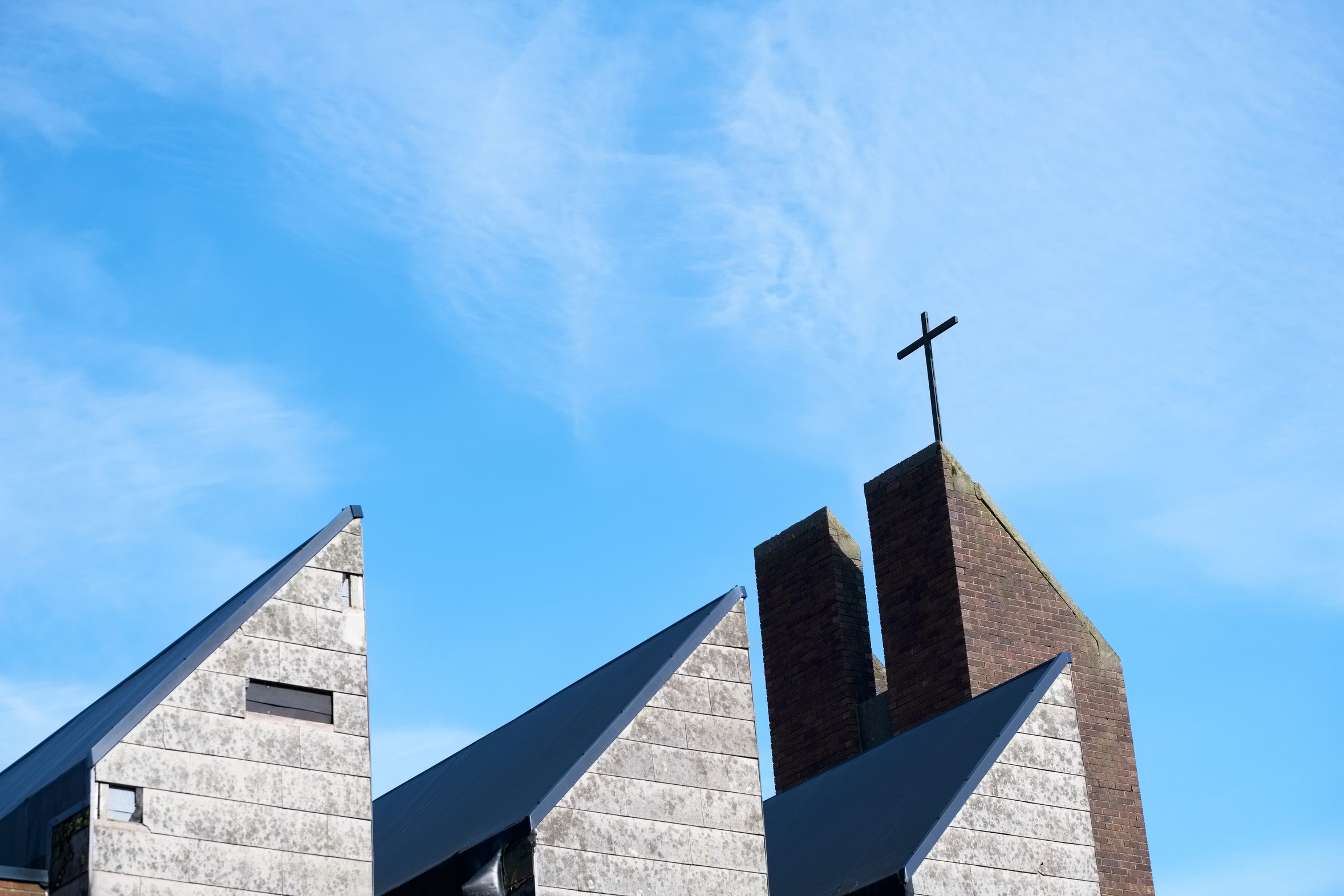
Church and nonprofit transactions may involve purchasing an existing facility, constructing a new sanctuary or program space, renovating and expanding an aging building, or refinancing existing debt to improve terms or free up cash flow for ministry and mission activity.
Financing for the purchase of a sanctuary, worship center, community center or program facility based on giving history, membership, board approval and the proposed use of the property.
Capital for a new sanctuary, fellowship hall, school wing, daycare space, gymnasium or program building, including land acquisition and site development when the transaction requires it.
Funding for roofs, HVAC, accessibility upgrades, sanctuary renovations, parking, life-safety work or program-space build-outs in an existing facility.
Replacing an existing mortgage or construction loan, consolidating multiple obligations, or restructuring debt to reduce payments and preserve cash flow for programs and ministry.
Church and nonprofit underwriting combines giving and revenue history, membership or program participation trends, leadership and governance stability, and the condition and use of the property. Many capital sources view these transactions differently than a standard commercial loan, so how the file is organized and presented matters.

No single figure determines whether a church or nonprofit transaction will receive financing. Capital providers generally review how giving consistency, debt relative to revenue, membership trends and facility use work together to support the requested financing.
Consistent tithes, offerings and donations across multiple years show the congregation or donor base can support ongoing debt service.
Proposed debt payments are generally compared against historical giving and revenue to confirm the obligation is sustainable.
Attendance, membership and program enrollment trends help explain whether giving and revenue are likely to grow, hold steady or decline.
Cash reserves, designated funds and available liquidity affect how much cushion exists if giving or program revenue softens.
Inconsistent bookkeeping, limited financial reporting, unclear board authority, denominational restrictions or an unclear use of proceeds can reduce financing options for churches, religious organizations and nonprofits.
Documentation requirements vary by capital source and transaction. These materials commonly help establish the organization's giving history, financial position, governance structure and the intended use of the facility.

A well-established congregation or organization can still present underwriting concerns when giving records, governance, facility use or documentation do not support the requested financing.
Volunteer-managed bookkeeping and informal collection processes can make it difficult to document consistent tithes, offerings and donations over time.
Lenders generally need clear evidence that the board, trustees or denominational body has authorized the organization to borrow and pledge the property.
Sanctuaries and worship spaces have a narrow resale market, which can affect collateral value and the capital sources willing to consider the transaction.
A recent or pending change in pastor, executive director or key leadership can raise questions about continuity of giving and program revenue.
Some denominations require conference, diocese or national-body approval before a local church can encumber property, which can add time to the process.
Construction, renovation and program-expansion budgets need reasonable detail so a capital source can evaluate cost, timeline and the resulting facility.
Hawkmen does not make credit decisions. We help you improve the financing presentation and pursue appropriate capital relationships.
We examine the facility, giving history, membership or participation trends, governance structure, requested financing and available documentation.
We identify missing information, likely underwriting concerns and material strengths within the transaction.
We help organize the financing narrative, supporting documents and transaction structure.
When the file is ready, we pursue financing relationships whose stated programs may align with the complete transaction.

Use Hawkmen's developing platform to organize a transaction, identify potential concerns and connect opportunity discovery with capital preparation.
Organize facility, giving history, membership, governance and transaction information. Identify missing data, review key metrics and surface issues that may affect the next financing step.
Submit your buy box so Hawkmen can organize and filter relevant church and nonprofit facility opportunities as the curated deal platform develops.
Start with a quick Snapshot, analyze the transaction through Hawkmen Deal Intelligence or submit the complete file for capital advisory review.