01
Business acquisition
Financing for the purchase of an operating business based on verified earnings, tax returns, bank deposits, customer mix, assets, management requirements, borrower strength and the proposed ownership plan.
Hawkmen Enterprises helps gas station and convenience store buyers, owners and operators evaluate the business, prepare the file, improve capital readiness and pursue financing with capital sources whose programs may align with the property, fuel operation, store, borrower and transaction.

Cash-flow business transactions may involve established operating companies, owner transitions, equipment-heavy businesses, service companies, recurring-revenue models, location-dependent operations, expansion plans, working-capital needs or businesses requiring operational improvement.
Financing for the purchase of an operating business based on verified earnings, tax returns, bank deposits, customer mix, assets, management requirements, borrower strength and the proposed ownership plan.
Capital for equipment, technology, additional locations, facility improvements, vehicles, staffing, inventory, marketing or other investments intended to improve capacity and operating performance.
Replacing existing debt, restructuring obligations, accessing equity or pursuing improved cash flow after stronger fuel volume, parking utilization, travel-center sales or property improvements.
Financing a management transition, owner retirement, succession plan, product or service repositioning, margin improvement or turnaround strategy for an underperforming business.
Cash-flow business underwriting combines verified revenue, sustainable earnings, customer concentration, operating expenses, management depth, industry risk, business assets and borrower capacity. Gross sales alone do not tell the complete story.

No single ratio determines whether a laundromat transaction will receive financing. Capital providers generally review how revenue consistency, gross margin, adjusted cash flow, customer concentration, operating expenses, management quality and borrower support work together.
Recurring contracts, repeat customers and diversified revenue sources may support more durable cash flow than isolated or highly seasonal sales.
Equipment, vehicles and technology conditions materially affect sustainable cash flow and may reveal inefficient or aging equipment.
Cash flow must support proposed debt after adjustments for normalized payroll, inventory, maintenance, management, reserves and underwriting assumptions.
Revenue, cost of goods, payroll, occupancy costs, marketing, maintenance, management and replacement reserves affect sustainable business cash flow.
Weak margins, inconsistent reporting, customer concentration, undocumented add-backs, owner dependence, short leases or major equipment needs can reduce financing options.
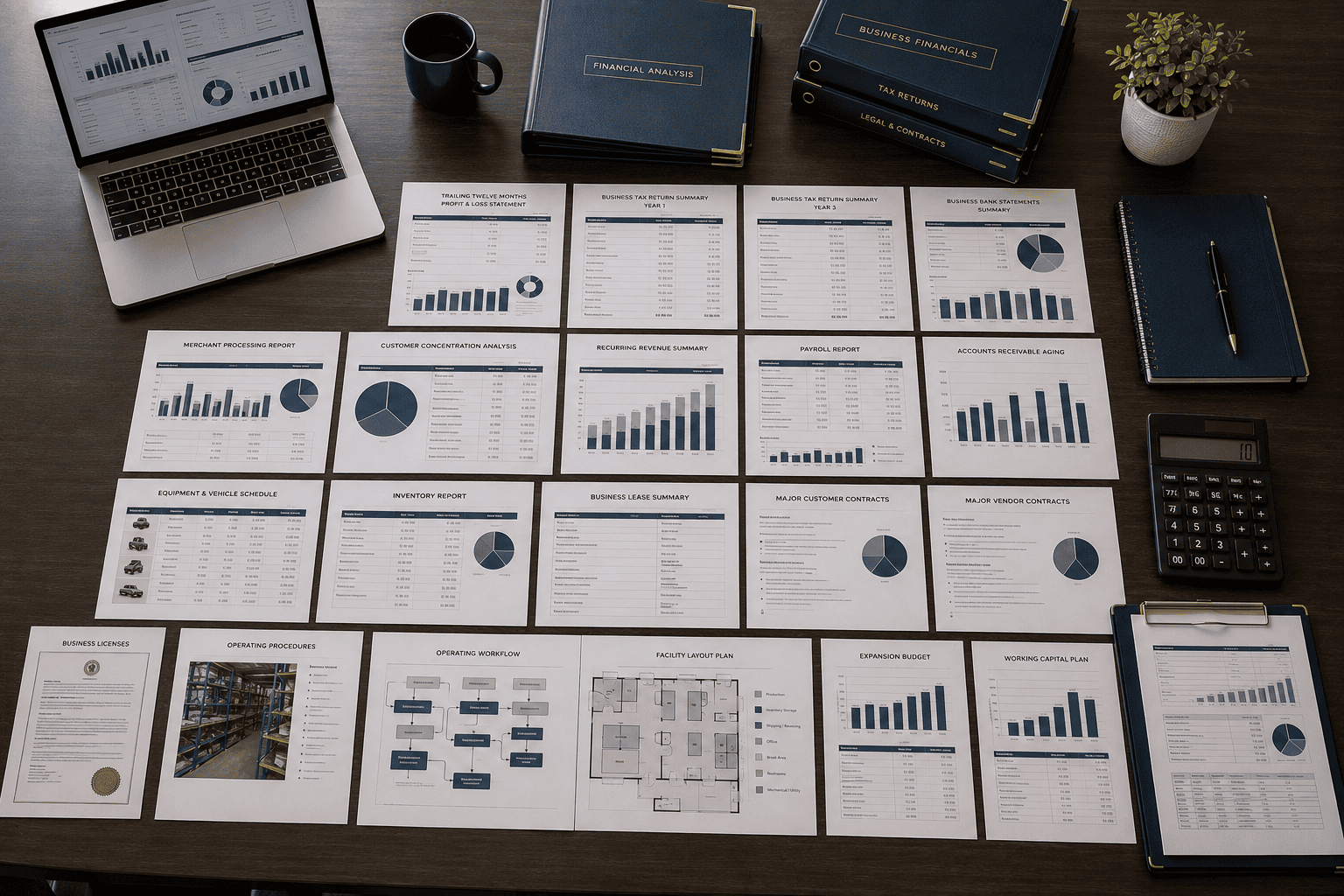
Documentation requirements vary by capital source and transaction. These materials commonly help establish the business’s revenue history, cash flow, customer base, operating systems, assets, location obligations and management quality.
A busy or well-known business can still present underwriting concerns when earnings, reporting, customer concentration, management depth, location obligations or capital needs do not support the requested financing.
Tax returns, profit-and-loss statements, bank deposits, merchant-processing reports and seller claims may tell different stories when reporting is incomplete.
High revenue may still produce weak cash flow when cost of goods, payroll, rent, marketing, repairs, debt or owner compensation are not properly controlled.
Dependence on a few customers, one referral source, a key owner or one licensed employee can weaken transferability and operating resilience.
Near-term equipment replacement, inventory, vehicles, technology, staffing, leasehold improvements or working-capital needs can materially increase the capital required after closing.
Projected sales growth, new locations, price increases, added services or margin improvement require credible demand, staffing, cost and execution support.
The equity contribution is only part of the capital requirement. Closing costs, repairs, equipment replacement, working capital and reserves may also require documented funds.
Hawkmen does not make credit decisions. We help you improve the financing presentation and pursue appropriate capital relationships.
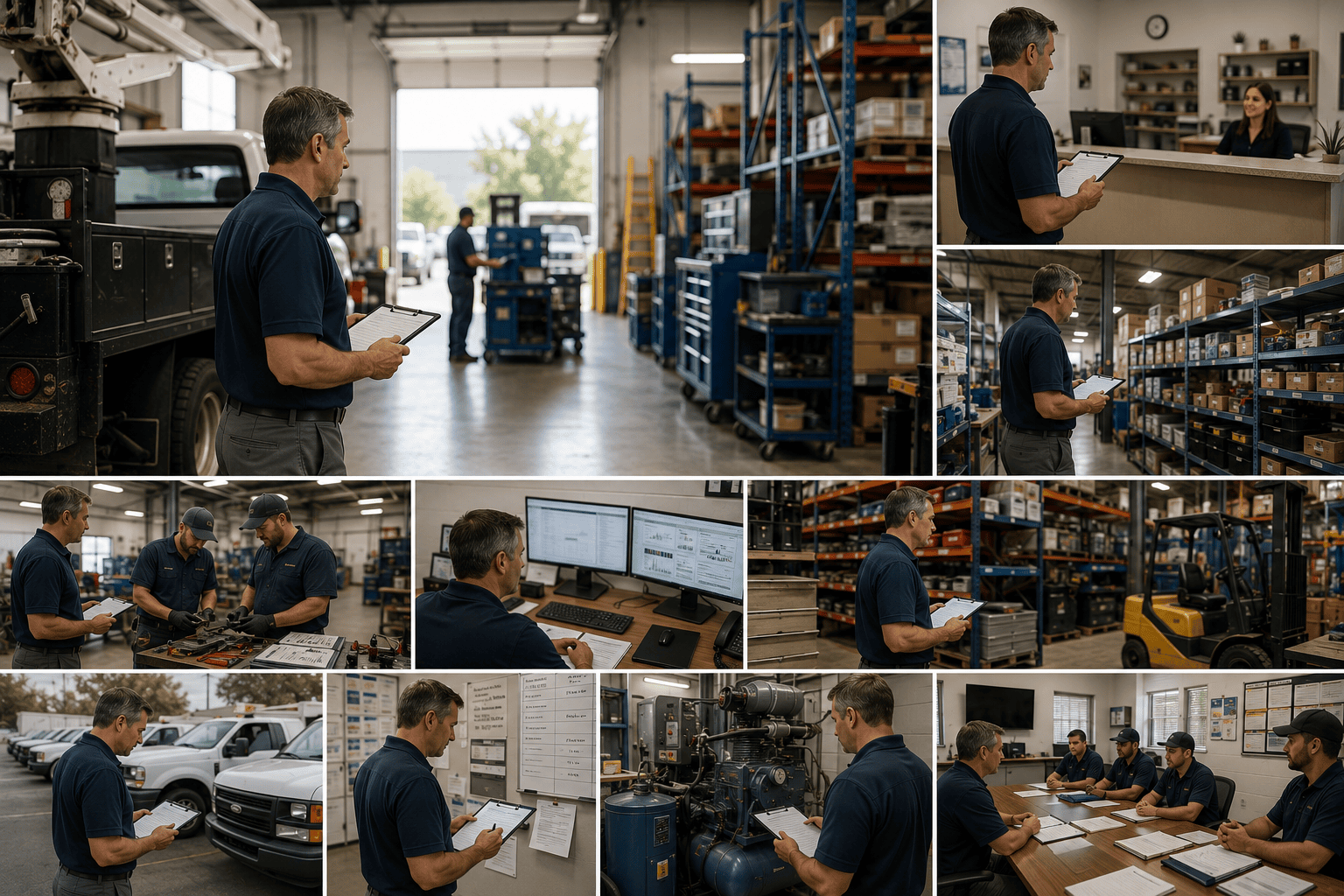
We examine the business, revenue, cash flow, customers, assets, location, management, borrower and transaction information, requested financing and available documentation.
We identify missing information, likely underwriting concerns and material strengths within the transaction.
We help organize the financing narrative, supporting documents and transaction structure.
When the file is ready, we pursue financing relationships whose stated programs may align with the complete transaction.
Use Hawkmen’s developing platform to organize a transaction, identify potential concerns and connect opportunity discovery with capital preparation.
Organize business, revenue, cash flow, customers, assets, location, management, borrower and transaction information. Identify missing data, review key metrics and surface issues that may affect the next financing step.
Submit your buy box so Hawkmen can organize and filter relevant cash-flow business opportunities as the curated deal platform develops.
Start with a quick Snapshot, analyze the transaction through Hawkmen Deal Intelligence or submit the complete file for capital advisory review.